The Art of Glass Packaging: Elevating Your Brand Through Premium Glass Bottles
The science of glass packaging presents brands with a unique avenue for differentiation. Via eco-friendly approaches, glass bottles not only enhance visual appeal but also align with eco-conscious consumer values. Their inherent qualities, including recyclability and chemical safety, demonstrate a steadfast commitment to excellence. As companies move through this changing environment, understanding the multifaceted benefits and challenges of glass packaging becomes essential for long-term success. What forward-thinking methods are companies adopting to fully harness these opportunities?
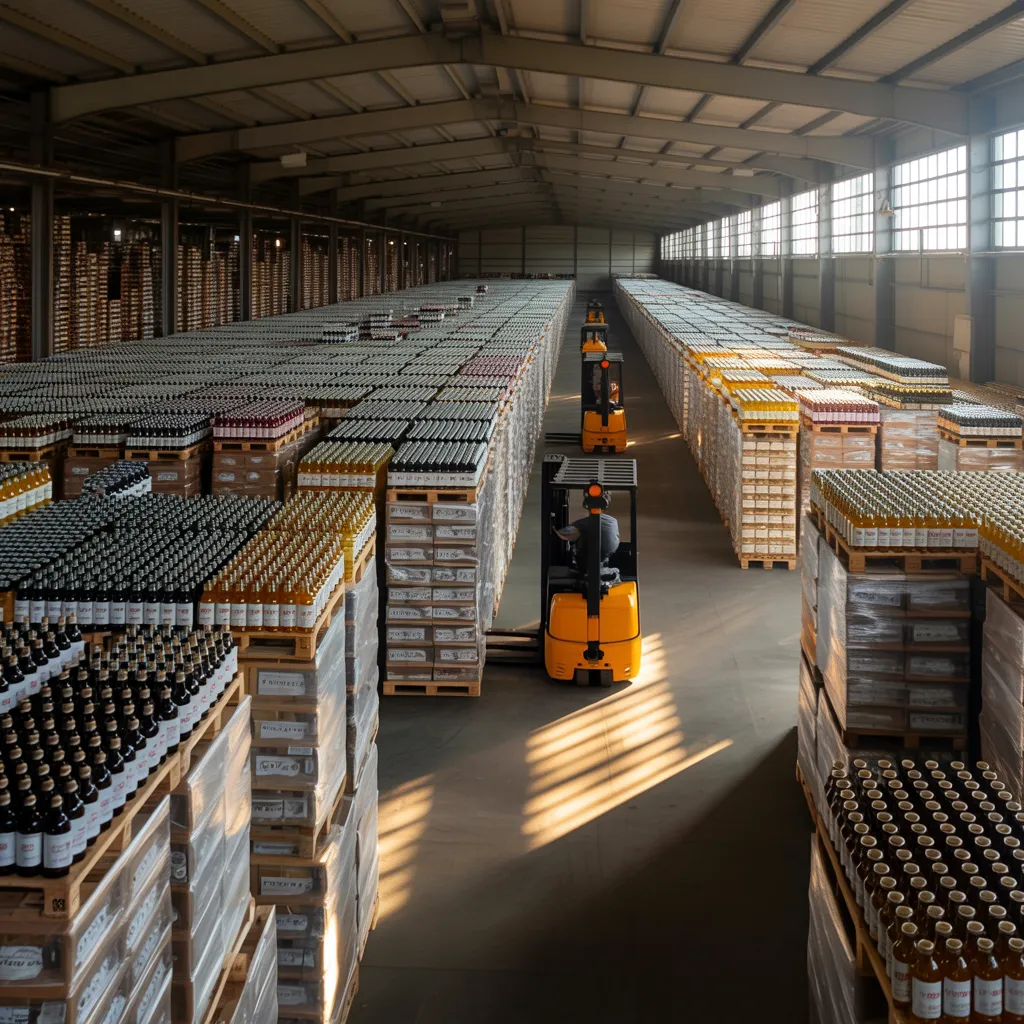
Why Choose Glass Packaging for Your Brand
Opting for glass packaging can significantly improve a brand's reputation and environmental initiatives. Brands that opt for glass demonstrate a commitment to quality and high-end consumer experiences, resonating with sophisticated customers who recognize the importance of design and utility. Glass delivers a timeless and elegant appearance, contributing to a brand's visual identity while delivering a physical interaction that synthetic materials fail to replicate.
Moreover, glass packaging communicates a feeling of wholesomeness and reliability, as it is free from toxic substances commonly present in plastic materials. This selection can engage environmentally conscious consumers who associate glass with responsible practices. Moreover, its durability allows for repeat use, thus solidifying a brand's pledge to environmental responsibility.
In a market increasingly focused on ecological responsibility, embracing glass packaging solutions can differentiate a brand cultivating lasting loyalty and boosting customer confidence. In the end, this strategic choice positions brands as leaders in sustainability and quality, resonating with the values of today's consumers.
The Environmental Benefits of Glass Bottles
Glass bottles present considerable environmental benefits that differentiate them from other packaging materials. They are fully recyclable, contributing to a closed-loop economy where resources can be continuously repurposed without loss of quality. This characteristic considerably decreases the need for new materials, thus reducing material extraction and energy consumption linked to manufacturing.
Furthermore, glass packaging is non-reactive, meaning it does not leach harmful chemicals into its stored materials, ensuring healthier consumption. As opposed to plastic, glass does not promote microplastic pollution, which is a rising environmental challenge.
Glass bottle production similarly results in fewer greenhouse gas emissions in comparison to plastic. Thanks to innovations in manufacturing processes, energy efficiency has been greatly enhanced, additionally minimizing the environmental impact associated with producing glass.
Innovative Designs That Enhance Glass Packaging
Creative designs in glass packaging are transforming how products are perceived. Original silhouettes and configurations not only boost practicality but also attract consumer attention. Additionally, eye-catching color palettes further enhance the visual impact, making glass packaging distinguish themselves in retail spaces.
Exceptional Shapes and Structures
Groundbreaking solutions in glass-based packaging not only improve visual attractiveness but also act as a key factor in brand differentiation. Distinctive forms and designs can produce unforgettable customer interactions, allowing products to rise above the competition on competitive store shelves. To illustrate, bottles with asymmetrical shapes or geometric patterns can spark interest and invite engagement. These original shapes often reflect a brand's personality, reinforcing its message and values. Moreover, unique forms can enhance usability, like more comfortable use or superior flow. Brands that invest in creative glass designs project a strong focus on superior quality and green practices, drawing in eco-aware buyers. Through emphasizing creativity in their packaging choices, brands can cultivate more meaningful relationships with consumers, in turn promoting long-term loyalty and broadening their market reach.
Attention-Grabbing Color Palettes
Dynamic color schemes serve a vital function in improving glass container aesthetics, converting standard bottles into captivating visual expressions. By utilizing a deliberate combination of shades, brands can evoke emotions and create memorable experiences for consumers. Bold colors can signify premium quality, as more subdued tones often suggest grace and distinction.
Furthermore, the use of gradient and multi-tone aesthetics brings depth and sophistication, drawing attention on crowded shelves. Eco-conscious practices additionally boost the appeal; environmentally responsible dyes and finishes connect with mindful consumers. Ultimately, the ideal color palette not only embodies a brand's character but also strengthens its dedication to sustainability, positioning glass packaging as a compelling differentiator in a competitive marketplace.
In What Ways Does Glass Packaging Improve Product Perception?
Glass packaging notably improves the perception of products with its premium aesthetic and tactile quality, creating a sense of luxury for consumers. The visual transparency and clarity of glass provide a clear and unimpeded view of the contents, solidifying the product's quality appeal. Moreover, choosing glass complements sustainable brand positioning, appealing to environmentally conscious consumers.
Luxurious Feel And Appeal
The use of glass packaging considerably boosts the perceived value of a product, often associating it with quality and sophistication. Buyers commonly connect glass with premium quality, leading to improved brand commitment and favorable customer interactions. The tactile nature of glass, with its refined surface and heft, establishes a high-end impression that plastic fails to reproduce. This experiential connection establishes a bond between the product and the consumer, fostering a perception of excellence. Furthermore, glass packaging reflects a focus on sustainability, resonating with environmentally-conscious buyers. Consequently, businesses employing glass containers can present themselves as premium options within their markets, drawing selective buyers who prioritize both visual appeal and responsible practices in their consumer decisions.
Visual Transparency And Clarity
When shoppers come across products in glass vessels, their impression is frequently elevated by the inherent visual transparency and clarity it provides. This openness enables prospective customers to view the contents within, creating an atmosphere of reliability and credibility. The clarity of glass not only showcases the product's quality but also highlights its color and texture, elevating the overall visual experience. Furthermore, the lack of label obstructions on transparent glass lets the product become the focal point, producing a more captivating retail encounter. Glass packaging can elevate brand perception by conveying a commitment to quality and craftsmanship. This transparency ultimately shapes buyer choices, fostering a stronger sentimental bond with the product and the company.
Green Brand Positioning
Sustainability-focused brands utilize glass containers to solidify their pledge to environmental responsibility, meaningfully improving the way consumers view their products. Glass conveys a sense of quality and purity, establishing a superior benchmark against plastic options. This substance not only underscores the green values of a brand but also resonates with shoppers who value eco-conscious decisions. The physical sensation of glass—its heft and feel—additionally enhances the perceived worth of the product. Furthermore, the recyclable nature of glass corresponds with the increasing consumer appetite for sustainable habits, fostering brand loyalty. By opting for glass, brands not only demonstrate their commitment to ecological responsibility but also present their products as top-tier selections, consequently developing a distinguished presence in a competitive industry.
Case Studies of Brands Succeeding With Glass Packaging
A growing number of businesses are flourishing by adopting glass packaging, showcasing its consumer appeal and dedication to environmental responsibility. As an example, a prominent beverage company made the switch to glass bottles, resulting in a 30% rise in sales within a year. The transition not only improved product visibility on shelves but also connected with eco-conscious consumers, reinforcing the brand's sustainability message.
One other cosmetic company made a successful switch to glass packaging, greatly elevating its premium image. This change drew in a loyal customer base who appreciates both design quality and sustainable values. Moreover, a specialty beer manufacturer adopted reusable glass growlers, cultivating consumer trust and decreasing environmental impact. These case studies illustrate that glass packaging not only meets market needs for environmentally responsible choices but also bolsters brand value and industry presence. Such strategic choices underscore an expanding movement among companies seeking to align their operations with sustainable practices while attracting today's environmentally aware shoppers.
How to Tackle Challenges in Glass Packaging
Navigating the complexities of glass packaging requires creative approaches and a thorough understanding of the market. Companies often face obstacles such as high production costs, weight concerns, and structural vulnerability. To overcome these, companies can invest in cutting-edge production methods that reduce waste and improve product strength. Partnering with suppliers to obtain eco-friendly materials also mitigates ecological footprint while attracting eco-aware consumers.
An additional obstacle is the logistics of transportation, considering the substantial weight of glass. Adopting intelligent logistics strategies, including optimized shipping methods and packaging designs, can reduce expenses and ensure product protection while in transit. Furthermore, informing customers about the advantages of glass compared to plastic can build brand loyalty and stimulate demand. By implementing these methods, businesses can overcome obstacles in glass packaging and distinguish themselves as innovators in eco-friendly practices, consequently improving their brand identity and overall market influence.
Emerging Trends in Sustainable Glass Packaging
As the appetite for sustainable packaging solutions expands, the glass packaging industry is poised for transformative changes. Breakthroughs in manufacturing techniques are projected to boost energy efficiency, reducing the carbon footprint associated with glass production. Moreover, the integration of lightweight glass bottles will establish itself as a major trend, reducing shipping emissions while preserving product quality.
Recycling efforts will continue to strengthen, with greater cooperation between manufacturers and municipalities to improve glass collection and processing. Furthermore, the integration of smart technology into packaging will facilitate improved clarity throughout the supply chain, allowing businesses to demonstrate their green initiatives with greater effectiveness.
The rising consumer appetite for environmentally conscious products will continue to fuel the growth of personalized, attractive design solutions, marrying functionality with visual appeal. With sustainability becoming a top priority for brands, the glass packaging sector is set to redefine its approach, aligning with broader environmental goals and meeting the expectations of a conscientious consumer base.
Questions We Often Receive
What Are the Financial Differences Between Glass Packaging and Plastic?
Glass-based packaging generally incurs higher costs owing to manufacturing, shipping, and recycling requirements when compared to plastic alternatives. Nevertheless, it offers eco-friendly benefits and stronger brand positioning, which may validate the cost for select businesses.
How Do I Customize Glass Bottles for My Brand?
Brands are able to personalize glass bottles through original forms, tones, and surface treatments. Printed designs, engravings, and labels strengthen brand identity. Partnering with suppliers secures adherence to environmental objectives all while preserving aesthetic appeal and functionality.
Do Specific Regulations Exist for Glass Packaging?
Yes, specific regulations for glass packaging exist, varying by region. Such regulations encompass safety standards, labeling requirements, and recycling guidelines, safeguarding consumer safety and environmental responsibility while encouraging sustainable practices in packaging manufacturing and distribution.
What Are the Top Best Practices for Recycling Glass Bottles?
When recycling glass bottles properly, residents should rinse them to remove residues, detach any lids or caps, and organize them according to color. Additionally, they should check local guidelines for specific recycling protocols and drop-off locations to guarantee proper processing.
How Does Glass Packaging Affect Shipping and Logistics?
Glass packaging considerably affects shipping operations and logistics by introducing increased weight and fragility, requiring careful handling and specialized transport solutions. This can lead to higher costs and dive in more complex supply chain management compared to lighter, more durable materials.